


In an exclusive interaction with Wire & Cable India, Mr. Vivek Yadav, CEO, Bonton Cables India Pvt. Ltd. shares that the company is at a juncture of tremendous growth. Bonton Cables India currently operating two manufacturing units at Bhiwadi and Kaharani (Rajasthan), has a production capacity of 90 km per shift per unit, and is on the way to commissioning its third manufacturing facility in Salarpur, as an extension of its existing product facilities, with a planned production capacity of approximately 18,000 kilometres per month. The upcoming plant will increase the company’s current installed capacity by nearly three times and is slated to become operational at the start of the next financial year.
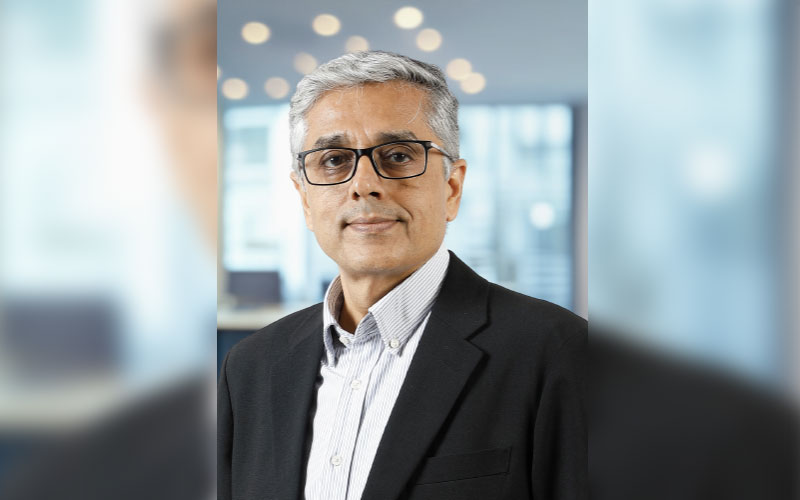
Wire & Cable India: Congratulations on your appointment as CEO of Bonton Cables. What motivated you to take up this role, and what excites you most about this new chapter?
Vivek Yadav: I saw a significant opportunity to create long-term value for the Bonton Cables brand. The promoters have built a strong foundation, and the business is now at a critical inflection point where the right strategic decisions can unlock tremendous growth. Given the scale of opportunity in the Indian economy, there is ample space for companies that focus on quality, reliability, and certification-led manufacturing to gain market share. What excites me most about this role is the opportunity to build a stronger brand presence and scale the business across both institutional and trade segments.
Watch: Top Cable Companies in India
WCI: With 37 years of industry experience, how do you plan to leverage your expertise to strengthen Bonton Cables’ market position?
VY: My immediate focus is on strengthening the organisation through better structures in people, processes, and systems. Sustainable growth requires strong internal alignment, disciplined execution, and clear market strategies.
We are working towards creating structured approaches for both the institutional and trade segments. At the same time, we will deepen our engagement in existing markets while expanding into geographies where our presence has been limited. This combination of operational discipline and market expansion will help strengthen Bonton’s position in the industry.
WCI: Your joining coincides with a phase of expansion for Bonton Cables. What are your immediate strategic priorities for the company in the coming months?
VY: Over the past two decades, Bonton Cables has built a strong reputation with several prestigious customers and has been associated with marquee projects such as the new Parliament building, metros, airports, and other critical infrastructure developments. However, the brand’s reach across geographies, customer segments, and the trade ecosystem still has significant headroom for growth.
Our immediate priority is to build organisational structures that can support scale, expanding market coverage, strengthening the sales network, and building systems that enable sustainable and consistent growth.

Bonton Cables is positioned as India’s most certified cable company, reflecting its early and sustained investment in global and national certifications.
WCI: Bonton Cables currently operates two manufacturing units at Bhiwadi and Kaharani. Could you share insights on their capacities, product mix, and how they support your growth strategy?
VY: Bonton Cables currently operates two manufacturing facilities located at Bhiwadi and Kaharani in Rajasthan. These units form the backbone of our production capabilities and support the company’s requirements across project, institutional, and infrastructure segments.
Each unit has an installed production capacity of approximately 90 km per shift, with current utilisation levels of around 80%. The facilities manufacture a wide range of products including building wires, power and heavy-duty cables, fire survival and fire-safe cables, control and instrumentation cables, multicore cables, telecom, LAN, coaxial, solar, and other specialised cables. The plants use key raw materials such as copper, aluminium, PVC, XLPE, and GI wires and strips.
From a strategic perspective, these facilities allow us to maintain consistent production, support large-scale infrastructure and institutional projects, maintain strong delivery reliability, and provide the flexibility required to scale volumes as demand increases across multiple sectors.
WCI: The company has a new manufacturing unit planned at Salarpur. What will be its capacity, investment size, and how will it enhance production capabilities?
VY: To support its next phase of growth, Bonton Cables India is commissioning a third manufacturing facility in Salarpur, designed with a planned production capacity of approximately 18,000 kilometres per month. This new plant alone will be nearly three times the company’s existing installed capacity and is scheduled to become operational from the beginning of the upcoming financial year.
The Indian wire & cable industry is set for robust domestic expansion driven by electrification and infrastructure, while its export potential is strengthening through diversification into global markets and trade agreements. This dual momentum positions the sector for sustained growth over the next decade.
WCI: How will the Salarpur facility differentiate Bonton Cables in terms of technology, automation, and product innovation?
VY: The Salarpur facility is a natural extension of our existing manufacturing capabilities but will incorporate the latest generation of machinery with higher levels of automation and process optimisation.This will enable improved productivity, better process control, and greater operational efficiency.
In addition, we are realigning the product mix across our manufacturing locations so that each facility focuses on optimised product segments. This will improve both production speed and overall capacity utilisation while enhancing our ability to respond to market demand.
WCI: Bonton Cables positions itself as India’s most certified cable company. How important are certifications in today’s market, and how has it become more important over the years?
VY: Certifications have become a critical decision-making parameter in today’s construction, infrastructure, and industrial markets. In sectors such as government infrastructure, metro rail, airports, and other safety-critical projects, certifications are now mandatory rather than optional.
Over the years, the industry has witnessed a clear shift. Earlier, certifications were considered an additional value proposition. Today, they are a baseline requirement for participation in high-value projects. Consultants, architects, and system integrators are placing much greater emphasis on safety standards, environmental compliance, and long-term reliability.
Bonton Cables has positioned itself as India’s most certified cable company, reflecting our early and sustained investment in global and national certifications such as UL, IATF 16949, ISO, RoHS2, REACH, BS, and IS standards. Our in-house NABL-accredited testing capabilities further reinforce this commitment.
This strong certification framework enables us to participate confidently in high-compliance and high-value infrastructure projects across India and international markets.
WCI: What trends do you see shaping the wire and cable industry in India, particularly in infrastructure, renewable energy, and EV segments?
VY: The Indian wire and cable industry is entering a strong growth phase driven by infrastructure development, electrification, renewable energy expansion, and the rise of EV infrastructure.
The market was valued at approximately USD 9.3 billion in 2024 and is expected to grow to over USD 17 billion by 2032, reflecting steady long-term demand. Real estate and construction remain major demand drivers, accounting for roughly 35% of cable applications, while power transmission and distribution upgrades are creating sustained demand across states.
Renewable energy expansion — particularly solar and wind — are also significantly increasing cable requirements for both generation and grid connectivity. Additionally, the growing rollout of EV charging infrastructure is creating demand for specialised low-voltage and flexible cables.
Exports represent another major opportunity. India exported approximately USD 2 billion of insulated wires and cables in 2024, and the country has emerged as a net exporter in recent years. With growing international certifications and competitive manufacturing capabilities, Indian manufacturers are gaining increasing acceptance in global markets such as the Middle East, Africa, Europe, and North America.
Also Read: Vedanta Aluminium’s USD 10 Billion Capex Roadmap: Building Aluminium Powerhouse for the World
WCI: Finally, what message would you like to share with customers, partners, and employees as you lead Bonton into its next growth phase?
VY: The Indian wire and cable industry is entering a decade of strong growth driven by infrastructure expansion and electrification, while export opportunities are also strengthening through global diversification and trade partnerships.
Bonton Cables is well positioned to participate in this growth across both domestic and international markets. While we already have a strong presence in the projects segment, we are now also strengthening our focus on the trade business with structured programmes for distributors, dealers, and retailers.
Equally important is our investment in people. We are strengthening our sales organisation not only in terms of numbers but also in terms of capability, with teams trained in both technical and customer engagement skills.
Our guiding philosophy is simple — ‘We grow together with our customers, partners, and employees.’