

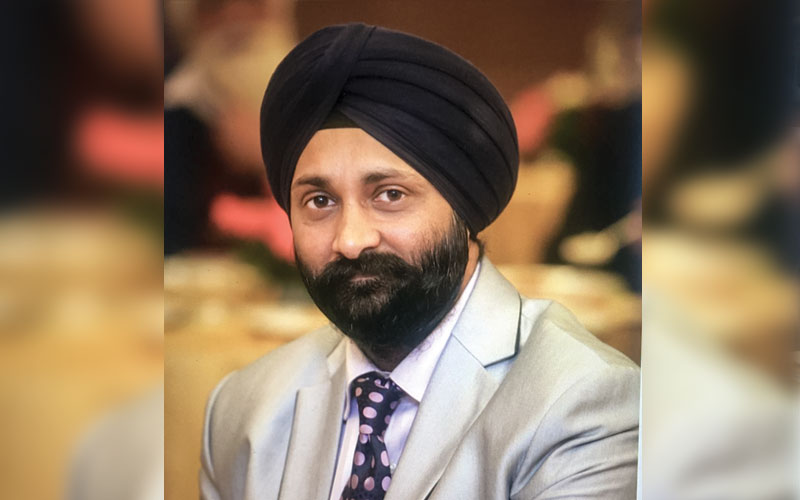
In an exclusive interaction with Wire & Cable India, Mr. Jasvinder Singh, Managing Director, Supermac Industries (India) Limited, observes that India’s manufacturing ecosystem is gaining global recognition for delivering precise, reliable, and innovation-led engineering solutions. Supermac Industries reinforces this position through advancements in HV/EHV technologies, integration of smart manufacturing, sustainability transition, and support for expanding global infrastructure, while maintaining strict adherence to international quality and compliance standards.
Wire & Cable India: What will you showcase at WIRE Düsseldorf to highlight India’s technological capabilities and manufacturing excellence to a global audience?
Jasvinder Singh: At WIRE Düsseldorf, the emphasis will be on India’s emergence as a technology-led manufacturing nation. The showcase reflects advanced engineering, integrated automation, turnkey capabilities, and globally compliant manufacturing standards. The narrative is clear: India today represents precision, reliability, and innovation aligned with global expectations.
Watch: Top Cable Companies in India
WCI: International trade fairs play a crucial role in shaping industry collaborations. How do platforms like WIRE Düsseldorf help Indian manufacturers connect with global markets and customers?
JS: Such platforms provide structured engagement with global industry leaders and decision-makers. They enhance credibility, enable technology comparison, and promote long-term industrial partnerships. The participation reinforces India’s role as a serious and dependable contributor to global markets.
WCI: From your participation at WIRE Düsseldorf, what key global market insights are you hoping to gain and bring back to strengthen India’s wire and cable manufacturing ecosystem?
JS: The focus is on tracking advancements in HV/EHV technologies, smart manufacturing integration, sustainability transitions, and global infrastructure momentum. These insights support alignment of India’s manufacturing ecosystem with future global industry directions.
WCI: Over the years, how have you seen India’s representation evolve at international trade fairs, and how do you contribute to strengthening India’s image as a global engineering hub?
JS: India’s participation has evolved from selective product displays to comprehensive engineering solutions. The industry today demonstrates scale, confidence, and technical maturity comparable to global benchmarks. India is increasingly viewed as a reliable global engineering hub.

India’s participation has evolved from selective product displays to comprehensive engineering solutions. The industry today demonstrates scale, confidence, and technical maturity comparable to global benchmarks.
WCI: What core Indian manufacturing strengths differentiate you on the global stage? For what turnkey solutions is the world looking at India?
JS: India’s strengths include deep engineering expertise, scalable manufacturing infrastructure, operational agility, and consistent quality standards. Global markets increasingly recognize India for delivering integrated turnkey solutions and end-to-end project capabilities.
WCI: Technology partnerships and acquisitions are critical today. How are Indo-global collaborations helping reinforce India’s engineering leadership?
JS: Indo-global collaborations enable accelerated technology access, shared innovation, and localization of advanced systems. These partnerships strengthen India’s transition from production base to strategic engineering partner.
WCI: Which international regions do you see as strategic growth markets, and how is India positioned as your global manufacturing base to support these expansions?
JS: Infrastructure modernization and energy transition initiatives are generating demand across global markets. India’s scale, talent base, and manufacturing ecosystem position it as a competitive and dependable global supply base.
Also Read: Assomac Machines: India Transforms Into Manufacturing and Skills Hub for Global Markets
WCI: How are cost pressures across raw materials, energy, or logistics being managed without compromising product reliability or compliance?
JS: Cost optimization is driven by operational efficiency, disciplined sourcing strategies, and engineering innovation, while maintaining uncompromised adherence to international quality and compliance standards.
WCI: How are sustainability expectations from customers or regulators translating into changes in product design, manufacturing practices, or material choices?
JS: Sustainability is now embedded as a core engineering principle. Emphasis is placed on energy efficiency, material optimization, waste reduction, and lower-carbon manufacturing practices to meet evolving global regulatory and customer expectations.