

As India accelerates towards electric mobility, the spotlight often remains on vehicles and charging stations. However, the real backbone of this transition lies in the evolving wires and cables ecosystem that enables safe, efficient, and reliable power delivery. In this exclusive article shared with Wire & Cable India, Mr. Sunil Upmanyu, President – Operations, Finolex Cables Ltd., highlights how specialized cabling, advanced materials, and forward-looking infrastructure planning are becoming critical to sustaining India’s EV growth story.
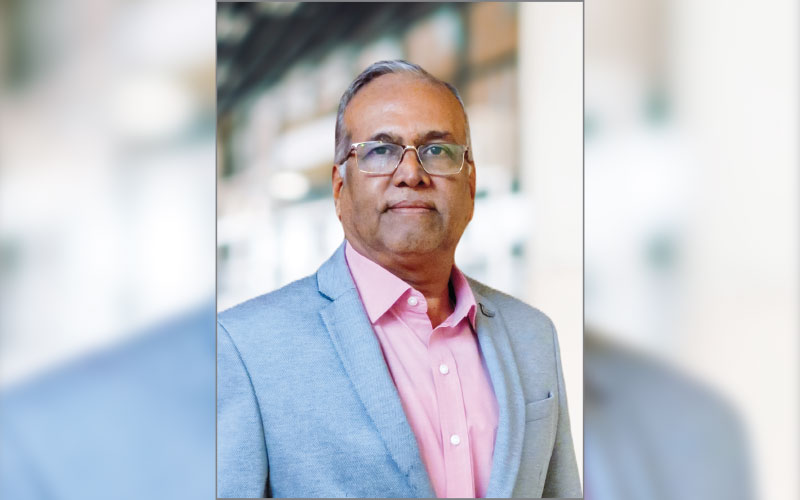
Mr. Sunil Upmanyu, President – Operations, Finolex Cables Ltd.
India’s electric mobility movement is no longer a distant promise; it’s a present-day reality. Our streets are buzzing with electric two-wheelers, urban centres are seeing a steady rise in personal EVs, and commercial fleets are rapidly electrifying to slash operating costs. But behind this visible revolution lies a quiet, powerful force that will ultimately determine its success: the hidden infrastructure of specialized wires and cables.
As homes, offices, and public spaces install charging facilities, they are placing unprecedented demands on our electrical systems. The wiring that once powered lights and appliances must now handle higher power, longer cycles, and the simultaneous needs of multiple vehicles. This has created a new, critical demand for an unsung hero: the specialized cable, engineered specifically for EV infrastructure.
Watch: Top Cable Companies in India
An EV charger is only as good as the cable that feeds it. Unlike regular household wiring, the cables required for EV charging are sophisticated pieces of engineering designed for extreme performance.
Think of it this way: a standard wire is built for intermittent, low-to-medium loads. An EV charging cable, however, must manage a continuous, heavy flow of power for hours on end without overheating. Unlike conventional consumption patterns, EV charging, particularly fast and ultra-fast charging, creates high, concentrated, and often non-linear electrical loads. For the fast-charging hubs that are becoming essential in our cities, the demands are even greater. These systems require heavy-duty conductors, insulation that can resist intense thermal stress, and fire-safe materials that prevent the spread of flames in case of a fault.
For outdoor charging zones, the challenge is amplified. These cables must be tough enough to withstand relentless sun, rain, dust, and fluctuating temperatures, demanding materials built for long-term durability in the harshest conditions.
“A smooth EV transition requires confidence—not just in the vehicle, but in the everyday infrastructure that supports it.”
This technological shift is a defining moment for India’s cables and wires industry. Manufacturers are being pushed to innovate, moving beyond traditional designs to meet a new standard of performance and reliability.
Factories are undergoing significant upgrades—expanding capacity, modernizing machinery, and introducing precision testing lines to meet EV-specific standards. There is a renewed focus on R&D, with investment pouring into higher-grade copper and aluminum, more efficient insulation compounds, and designs that can safely handle rising kilowatt loads for prolonged durations. This is the industry’s opportunity to lead by creating smarter, safer, and more durable cables engineered for the future of mobility.
Today’s EV cables are more than just power conduits; they are intelligent, multi-functional systems.
High-Voltage Power Transmission: The primary role is transferring immense electrical energy to the EV battery, handling voltages up to 1000V in modern vehicle architectures.
Smart Communication: Integrated data lines allow the vehicle and charger to “handshake,” managing charging status, authorizing users, and regulating the power flow to protect battery health.
Advanced Thermal Management: To handle the intense heat of fast charging (with currents up to 600 amps), high-power cables often feature internal liquid cooling systems, keeping them safe and flexible for user handling.
Built for the Real World: These cables use advanced materials like TPE and XLPE to resist UV exposure, rain, oil, and even being run over by vehicles. Embedded temperature sensors and flame-retardant casings provide critical layers of safety.
The real estate sector is also adapting. Where charging points were once a costly and complicated retrofit, developers of new residential and commercial buildings are now planning for EV capacity from the very first blueprint.
This forward-thinking approach involves laying dedicated electrical ducts, allocating sufficient power loads upfront, and designing spaces to support multiple chargers without straining the grid. This level of planning, built upon a foundation of high-heat-tolerance and robustly insulated cables, is quickly becoming the hallmark of future-ready real estate.
The integrity of this hidden infrastructure is paramount. When the wrong type of wire is used—either through poor specification or the infiltration of counterfeit materials—the entire system becomes vulnerable. Heat build-up, short circuits, and premature insulation breakdown are serious risks. Even a minor voltage drop from a poor-quality cable can degrade a charger’s performance and shorten its lifespan.
Also Read: NIEHOFF Gruppe Expands Hyderabad Facility, Reinforces Long-Term Commitment to India
Because most of this crucial wiring is hidden behind walls or inside conduits, users often don’t realize a problem exists until a failure occurs. This is why verifying the authenticity and quality of materials is non-negotiable. As consumers prioritize safety and long-term performance, certified, high-quality, EV-ready products from trusted manufacturers will become the gold standard.
For India to build an EV ecosystem that is not only widespread but also sustainable and dependable for years to come, we must invest in the quality of this quiet infrastructure. The wires and cables powering our electric future must be as reliable as the vehicles they charge.