

As India’s digital infrastructure expands, RR Kabel is broadening its presence across the communication cables value chain with its entry into the optical fibre cable (OFC) segment through the acquisition of U M Cables’ OFC business. The move provides an established manufacturing platform, existing approvals and an operating track record, enabling the company to enter the segment without building capabilities from the ground up. In an exclusive interview with Wire & Cable India, Mr. Rajesh Kabra, Joint Managing Director, R R Kabel Limited, discusses the strategic rationale behind the acquisition, plans for scaling the business, priorities for product development and manufacturing upgrades, and the company’s long-term vision for building a broader communication-cable portfolio.
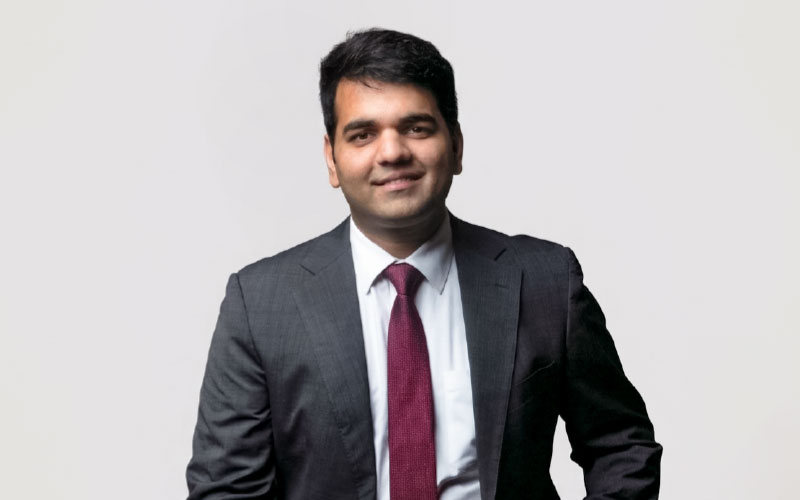
Wire & Cable India: Congratulations on RR Kabel’s entry into the Optical Fibre Cable (OFC) segment through the acquisition of U M Cables’ OFC business. What are the key objectives behind this strategic move, and how does it fit into the company’s broader communication cables strategy?
Rajesh Kabra: Our entry into the optical fibre cable segment marks an important step in broadening RR Kabel’s presence across the communication infrastructure value chain. As India’s digital ecosystem expands, optical fibre is becoming increasingly critical to high-speed connectivity, data transmission and network expansion. This move allows us to complement our existing cable portfolio and participate in a segment with significant long-term growth potential.
The acquisition is aligned with our strategy of expanding into adjacent opportunities where our manufacturing expertise and market presence can create value. It provides us with an established platform in OFC and strengthens our ability to address a wider range of infrastructure requirements.
Watch: Top Cable Companies in India
WCI: The acquisition provides RR Kabel with ready manufacturing assets, existing approvals and an established operating track record. How do these capabilities position the company to scale its OFC business compared with building the capabilities organically?
RK: The key advantage is the ability to enter the segment with an established operating platform rather than starting from the ground up. Building manufacturing infrastructure, securing approvals and developing an operating track record organically would require considerable time and resources. The acquisition enables us to enter the segment with these foundational capabilities already in place.
Combined with RR Kabel’s manufacturing experience and market reach, the acquired platform gives us a strong starting point to pursue growth with greater readiness and a long-term perspective.
WCI: With RR Kabel’s entry into the OFC segment, what new, differentiated products, technologies or solutions can customers expect from the company in the coming years?
RK: The OFC industry is evolving towards higher fibre counts, compact cable constructions and designs tailored to specific installation environments. As network requirements become more demanding, product differentiation will increasingly depend on transmission reliability, manufacturing precision, durability and the ability to meet application-specific requirements. We see scope to strengthen the portfolio over time, with product development guided by application requirements, quality benchmarks and the technical demands of evolving communication networks.
WCI: With communication infrastructure expanding across data centres, telecom networks, broadband and other digital applications, which OFC segments and product categories will be the key areas of focus for RR Kabel?
RK: We see opportunities across telecom networks, broadband connectivity and data infrastructure, each with distinct requirements in terms of cable design, high fibre capacity and compact cable construction. The continued expansion of digital services, rising data consumption and the need to extend reliable connectivity are important drivers of demand across these segments.
Our focus will be on identifying the applications where our capabilities and product portfolio can be most relevant. This will involve understanding the technical and commercial requirements of different customer segments and aligning our offerings accordingly, while building a scalable presence in the OFC market.
Our priority is to scale the acquired OFC business by strengthening its market presence, leveraging existing capabilities and tapping into emerging opportunities across India’s expanding digital infrastructure ecosystem.
WCI: How does RR Kabel plan to leverage its existing manufacturing capabilities, distribution network and customer relationships to accelerate the growth of the acquired OFC business?
RK: Our strength lies in RR Kabel’s established presence in the wires and cables industry, backed by manufacturing expertise, a robust distribution network and longstanding customer relationships. These capabilities provide a strong foundation to accelerate the growth of the acquired OFC business by deepening engagement with existing customers, leveraging established market access and identifying opportunities across adjacent infrastructure segments.
At the same time, we recognise that OFC has distinct technical requirements and customer qualification processes. Our approach will be to build on our existing strengths while addressing these requirements to develop the business sustainably and unlock its long-term growth potential.
WCI: What are RR Kabel’s priorities for technology, product development and manufacturing upgrades at the acquired OFC facility, particularly as fibre counts, compact designs and application-specific cable requirements continue to evolve?
RK: As fibre counts increase and cable designs become more compact, manufacturing precision, process control and consistent product quality become increasingly important. Our focus will be on ensuring that the facility’s capabilities remain aligned with evolving product specifications and application requirements, while evaluating technology and manufacturing improvements to enhance operational efficiency and product performance. Testing, validation and quality assurance will remain central to maintaining reliability and meeting changing customer expectations.
Also Read: Wire & Cable India Emagazine Nov-Dec Issue 2026
WCI: As India’s digital infrastructure expands, how do you see the balance between domestic demand and export opportunities for OFC evolving, and what role will the acquired business play in RR Kabel’s international growth plans?
RK: India’s growing investments in telecom networks, broadband connectivity and digital infrastructure are expected to drive domestic demand for OFC, while the global expansion of digital infrastructure presents significant export opportunities. For RR Kabel, the acquired business offers an opportunity to participate in both growth trajectories, leveraging our established international presence and market relationships to explore opportunities in markets where our capabilities align with customer requirements.
Our focus will be on building a sustainable balance between domestic demand and exports, guided by market potential, customer needs and commercial viability. This will enable us to capitalise on India’s digital infrastructure growth while progressively evaluating opportunities to expand the OFC business’s international footprint.
WCI: Looking ahead, what are RR Kabel’s growth and capacity-expansion plans for the OFC business, and are there opportunities to build an integrated communication-cable portfolio covering fibre, connectivity and related solutions?
RK: Our priority is to scale the acquired OFC business by strengthening its market presence, leveraging existing capabilities and tapping into emerging opportunities across India’s expanding digital infrastructure ecosystem. Any capacity expansion will be guided by demand visibility, customer commitments and long-term business potential, ensuring that growth remains commercially viable and operationally sustainable.
The acquisition also marks an important step in broadening RR Kabel’s portfolio beyond traditional wires and cables into optical fibre. As power infrastructure and digital connectivity become increasingly interconnected, we see opportunities to build a more comprehensive offering over time, with any expansion into related communication-cable solutions guided by evolving market needs and customer requirements.

Our focus will be on ensuring that the facility’s capabilities remain aligned with evolving product specifications and application requirements, while evaluating technology and manufacturing improvements to enhance operational efficiency and product performance.