

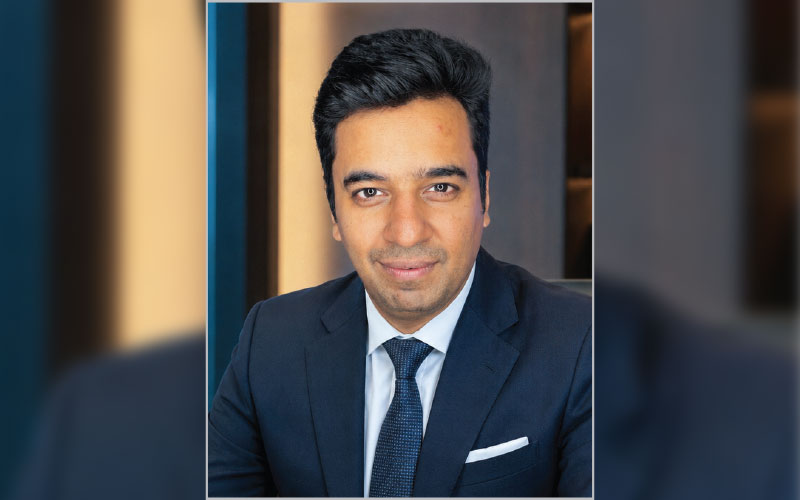
In an exclusive interview with Wire & Cable India, Mr. Ankit Aggarwal, Director, Grand Tubes & Polymers Limited (formely known as Sac Polymers), shares that cable manufacturers are increasingly demanding for flame-retardant, fire-survival, halogen-free and low-smoke formulations such as HFFR and LSZH, providing greater flexibility, thermal endurance, UV, weather and chemical resistance, longer service life, and compliance with international standards. He adds that future developments will be driven by advanced compounding technologies, sustainable and recyclable material solutions, better fire safety and temperature resistance solutions, smart materials, and specialized compounds for the rising ‘cleantech’ sectors such as EVs, renewable energy, and data centres.
Wire & Cable India: Which specialty cable applications are presently generating the strongest demand for advanced compounds, additives, masterbatches, and specialty material systems?
Ankit Aggarwal: The strongest demand is currently coming from renewable energy cables (solar and wind power), EV charging and electric vehicle wiring systems, railway and metro infrastructure cables, data centers and telecommunication cables, industrial automation and robotics cables, oil & gas and mining cables, and building and infrastructure projects requiring fire-safe cables. These applications require enhanced flame retardancy, low smoke emission, UV resistance, flexibility, and long service life.
Watch: Top Cable Companies in India
WCI: What major changes are you observing in cable manufacturers’ material requirements?
AA: Cable manufacturers are increasingly demanding higher flame-retardant and fire-survival performance, halogen-free and low-smoke formulations (HFFR/LSZH), improved flexibility, greater thermal endurance, enhanced UV and weather resistance, better chemical resistance, longer service life, and compliance with international standards such as RoHS, REACH, IEC, UL, and EN.
WCI: How are automation, robotics, renewable energy, EV infrastructure, and other high-performance applications influencing compound development?
AA: These sectors require compounds capable of continuous flexing, higher temperature resistance, improved abrasion resistance, lightweight construction, superior electrical insulation, and resistance to harsh environmental conditions. Development is increasingly focused on advanced and customized formulations.

HFFR/LSZH compounds are witnessing the fastest growth due to fire safety regulations. XLPO compounds are gaining acceptance in solar, EV, and industrial applications, while silicone and elastomeric compounds continue growing in specialized high-performance applications.
WCI: What technical challenges arise while balancing performance, processability, compliance requirements, durability, and commercial viability?
AA: Key challenges include achieving high flame-retardant performance without affecting mechanical properties, maintaining processing efficiency, meeting regulatory requirements, controlling raw material costs, ensuring long-term durability, and balancing performance with competitive pricing.
WCI: How has demand evolved for HFFR/LSZH, XLPO, silicone, elastomeric, and other advanced material systems?
AA: Demand has increased significantly. HFFR/LSZH compounds are witnessing the fastest growth due to fire safety regulations. XLPO compounds are gaining acceptance in solar, EV, and industrial applications, while silicone and elastomeric compounds continue growing in specialized high-performance applications.
WCI: To what extent does the Indian specialty cable material ecosystem still depend on imported materials, and where do you see localization opportunities?
AA: India continues to depend on imports for specialty flame-retardant additives, advanced stabilizer systems, high-performance polymers, and certain processing aids. However, significant localization opportunities exist in HFFR compounds, PVC and XLPO formulations, masterbatches, specialty additives, and customized cable compound solutions.
Also Read: From Wind Turbines to Data Centers: EKOPREN® MV Compounds for Cable Performance
WCI: How important have testing, certification, consistency control, and application-specific customization become?
AA: These factors have become extremely important. Customers increasingly expect comprehensive testing, compliance with standards, batch-to-batch consistency, traceability, quality assurance, and customized formulations tailored to specific applications.
WCI: Looking ahead, which material technologies and performance requirements will shape the next phase of development?
AA: Future developments will be driven by advanced HFFR and LSZH technologies, high-performance XLPO systems, sustainable and recyclable compounds, low-carbon material solutions, enhanced fire safety, higher temperature resistance, smart materials, and specialized compounds for EVs, renewable energy, and data centres.