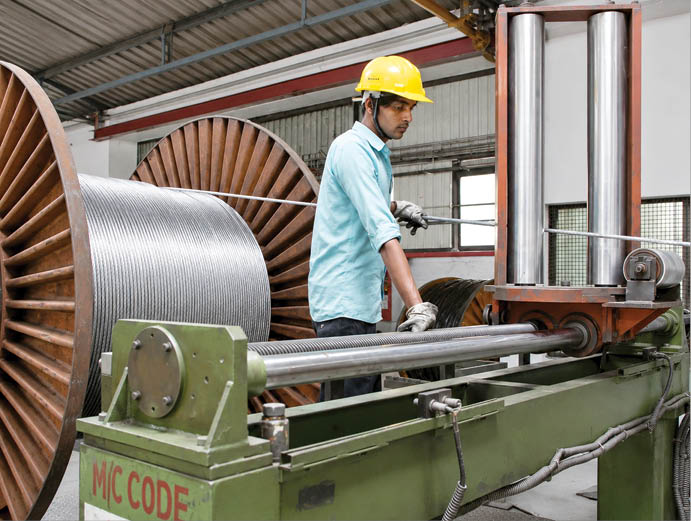

As specialty cable applications become increasingly diverse, manufacturers are expected to deliver far more than standard connectivity. In an exclusive interview with Wire & Cable India, Mr. Sandeep Aggarwal, Managing Director, Paramount Communications Ltd., discusses the changing dynamics of the specialty cable market, the company’s focus on quality and innovation, and the opportunities emerging across railways, renewable energy, data centres, industrial automation, and defence.
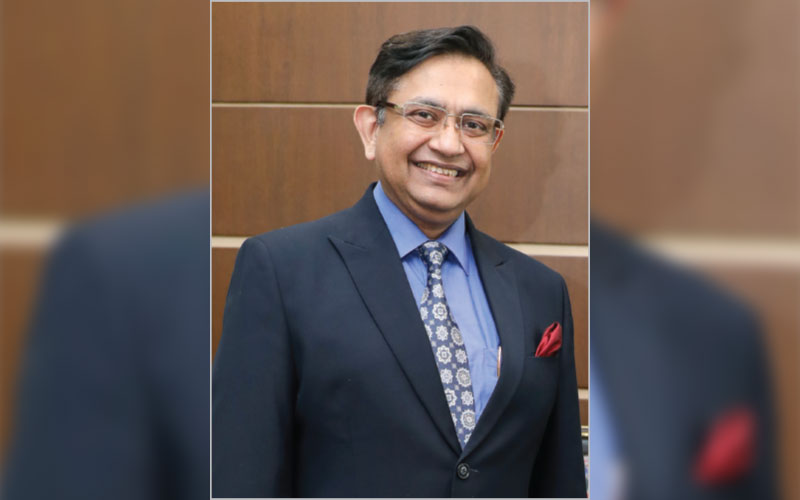
Wire & Cable India: How do you currently define the specialty cable segment within your organisation, and which application areas are presently driving the strongest business momentum for you?
Sandeep Aggarwal: At Paramount Communications, specialty cables are advanced cable solutions designed for specific applications and challenging operating conditions. These cables are developed to deliver higher safety, reliability, durability, and performance compared to conventional cables. Currently, sectors such as railways, industrial automation, renewable energy, infrastructure, data centres, and defence are generating strong demand for specialty cables in India.
Watch: Top Cable Companies in India
WCI: Among automation, railways, renewables, data centres, EVs, oil & gas, mining, marine, or defence, which end-use sectors are generating the most meaningful demand today, and how do their technical expectations differ?
SA: Railways, renewables, industrial automation, and data centres are among the key sectors driving demand today. Railways require cables with high fire safety and long operational life. Renewable energy projects need UV-resistant and weather-resistant cables for outdoor applications. Automation and robotics sectors require highly flexible cables that can handle continuous movement, while data centres focus on reliability, fire performance, and signal stability.
WCI: What major shifts are you observing in customer expectations regarding performance, reliability, lifecycle requirements, qualification standards, and application-specific engineering?
SA: Customers today are focusing more on quality, reliability, safety, and long-term performance rather than only pricing. They expect products that meet strict industry standards and perform consistently over a long lifecycle. There is also increasing demand for customised and application-specific cable solutions based on the operating environment and project requirements.
WCI: Which performance parameters are becoming increasingly critical in specialty cable design today?
SA: Parameters such as fire performance, flexibility, thermal endurance, EMI shielding, weather resistance, chemical resistance, and signal integrity are becoming increasingly important in specialty cable design. Today, industries are giving more importance to safety, uninterrupted performance, and reliable data transmission, especially in critical applications.
WCI: How are industrial automation, robotics, high-flex applications, and the growing convergence of power, control, and data systems influencing product development and cable architecture?
SA: Industrial automation and robotics are creating demand for compact, flexible, and high-performance cable solutions that can work reliably under continuous movement and dynamic conditions. At the same time, the integration of power, control, and data systems is encouraging the development of hybrid cable solutions that improve efficiency and reduce installation complexity.
WCI: What manufacturing and process challenges are most significant in specialty cable production compared to conventional cable systems?
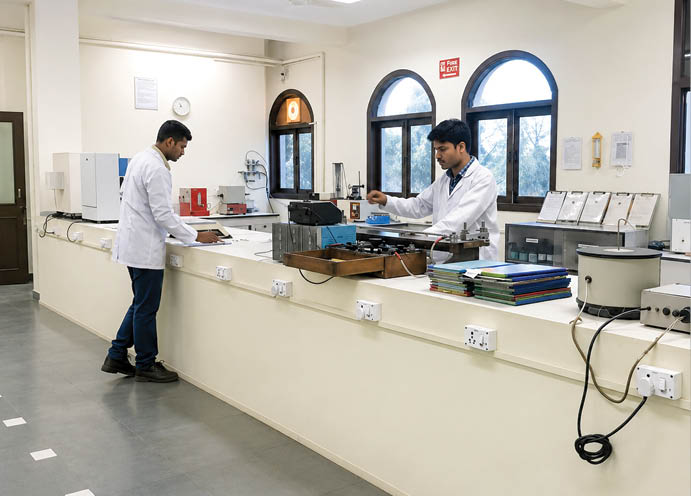
SA: Specialty cable manufacturing requires higher precision and strict quality control compared to conventional cable production. Challenges include maintaining consistency in extrusion, shielding, insulation performance, testing, and meeting demanding qualification standards. Since these cables are used in critical applications, product reliability and consistency are extremely important.
WCI: How important have certification, traceability, and customer qualification requirements become in sectors such as railways, offshore, infrastructure, industrial automation, and critical installations?
SA: Certification, traceability, and qualification requirements have become extremely important today. Customers expect manufacturers to comply with international standards and provide complete quality assurance and product traceability. In sectors like railways, infrastructure, and industrial automation, certifications and approvals are often mandatory before product acceptance.

The future growth of the specialty cable industry in India will be driven by renewable energy, EV infrastructure, data centres, industrial automation, smart infrastructure, railways, and defence projects.
WCI: To what extent does India still remain dependent on imports for advanced specialty cable categories, and where do you see the strongest opportunities for deeper localisation?
SA: India has made significant progress in specialty cable manufacturing, but some advanced categories and specialised materials still depend on imports.
However, there is a strong opportunity for localisation, especially with the growth of renewable energy, defence, infrastructure, railways, EVs, and industrial automation. Increasing domestic manufacturing capabilities will further strengthen India’s position in this sector.
WCI: How do you assess the present competitive landscape in specialty cables?
SA: The specialty cable industry is becoming highly competitive, with increasing pressure on pricing, customisation, and quality expectations. At the same time, customers are looking for reliable partners who can deliver consistent performance and technical expertise. Companies that focus on innovation, quality, and customer support will continue to grow in this segment.
Also Read: Cords Cable Industries Shares Customer-Centric Approach in Specialty Cable
WCI: Looking ahead, which specialty cable applications or technology areas do you believe will define the next phase of growth and development for the industry in India?
SA: The future growth of the specialty cable industry in India will be driven by renewable energy, EV infrastructure, data centres, industrial automation, smart infrastructure, railways, and defence projects. As India continues to invest in technology and infrastructure development, the demand for advanced, reliable, and high-performance cable solutions will continue to increase.