

In an exclusive interview with Wire & Cable India, Mr. Mike Patel, Director of Marketing, Teknor Apex, shares that the rapid expansion of AI workload, hyperscale, colocation data centers, as well as power distribution systems in India is encouraging the cable manufacturers to increasingly look for materials that can support higher performance in compact cable designs. As a result, global compounding company, Teknor Apex, has collaborated with Shriram Polytech to form a JV- ‘Shriram Teknor Ltd.’, combining its global formulation and technology expertise with local manufacturing capabilities to support India’s growing demand for advanced polymer compounds. By combining technical expertise, application knowledge, and strong regional support, the company is well positioned to help wire and cable manufacturers meet evolving industry demands related to mechanical integrity, flame performance, and installation reliability.
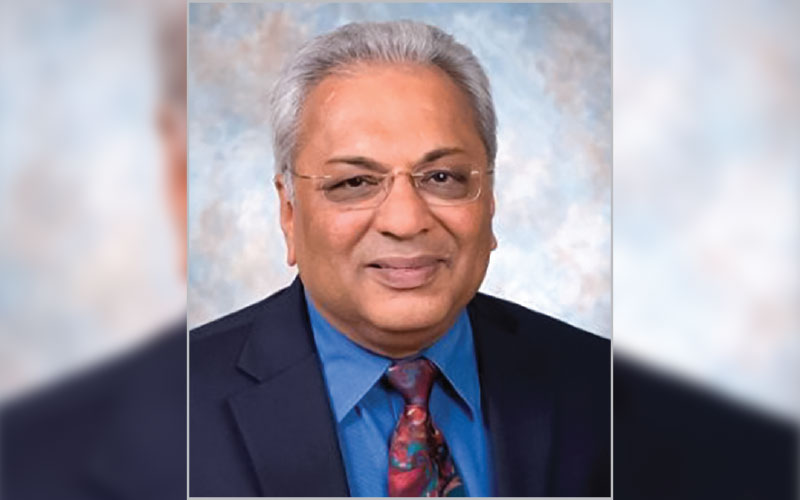
Wire & Cable India: Which specialty cable applications are presently generating the strongest demand for advanced compounds, additives, masterbatches, and specialty material systems?
Mike Patel: One of the strongest demand drivers today is data center infrastructure, particularly as AI workloads accelerate the need for higher fibre density, faster data transmission, and increased power requirements. The rapid expansion of hyperscale and colocation data centers is creating demand for use of advanced specialty compounds in high-performance connectivity solutions – both copper and fibre optic cables – as well as power distribution systems. These applications require materials that can support increasingly compact cable designs while maintaining mechanical integrity, flame performance, and installation reliability.
Beyond data centers, we continue to see robust demand from renewable energy, EV charging infrastructure, industrial automation, robotics, transit, and harsh-environment applications. Across these segments, cable manufacturers are seeking materials that deliver flame performance, long-term durability, flexibility, and high-speed processing while meeting increasingly stringent performance and regulatory requirements.
Watch: Top Cable Companies in India
WCI: What major changes are you observing in cable manufacturers’ material requirements in areas such as flame performance, flexibility, thermal endurance, UV stability, chemical resistance, and long-term reliability?
MP: The biggest shift is that cable manufacturers are looking for materials that can support higher performance in increasingly compact cable designs. In data center applications, higher fibre density and space constraints require compounds that enable smaller cable diameters while providing improved flame retardancy, thermal endurance, flexibility, UV resistance, chemical resistance, and long-term reliability. Rather than optimizing for a single property, manufacturers are seeking balanced performance profiles that address multiple requirements simultaneously. The challenge is delivering these properties consistently without compromising processability, or commercial viability.
WCI: How are automation, robotics, renewable energy, EV infrastructure, and other high-performance applications influencing compound development and formulation strategies?
MP: These applications are pushing compounds toward higher durability and more specialized performance. Robotics and automation require exceptional flex-life, abrasion resistance, and resistance to oils and industrial chemicals. Renewable energy and EV infrastructure demand flexibility, weatherability, thermal stability, flame performance, and long-term mechanical and electrical reliability under extreme temperature operating conditions.
As a result, formulation strategies have become increasingly application specific. Material developers must optimize compounds not only for performance but also for installation requirements, service life expectations, and evolving regulatory standards.
WCI: What technical challenges arise while balancing performance, processability, compliance requirements, durability, and commercial viability within specialty cable compounds?
MP: The greatest challenge is that improving one property can often impact others. Increasing flame retardant loading, for example, may affect flexibility, mechanical performance, or processing characteristics. Enhancing chemical resistance or thermal performance can add complexity and cost.
The role of the compounder is to optimize the complete performance package while ensuring the material remains practical for cable manufacturers to process efficiently and cost-effectively. Success requires a deep understanding of material science, processing behavior, regulatory requirements, and end-use performance expectations.

Beyond data centers, we continue to see robust demand from renewable energy, EV charging infrastructure, industrial automation, robotics, transit, and harsh-environment applications.
WCI: How has demand evolved for HFFR/LSZH, XLPO, silicone, elastomeric, and other advanced material systems across specialty cable applications?
MP: Demand for LS HFFR compounds continues to grow across many specialty cable applications, particularly where low smoke and halogen-free performance are required for public and hardware protection considerations. XLPO and elastomeric systems are gaining traction in automotive applications that require enhanced thermal endurance, flexibility, and long-term durability.
At the same time, PVC remains highly relevant in many cable applications due to its balance of mechanical, environmental and flame performance, processability, reliability, and cost-effectiveness. The market continues to evolve toward selecting the right material system for the specific application rather than relying on a single solution across all cable types.
WCI: To what extent does the Indian specialty cable material ecosystem still depend on imported polymers, additives, stabilizers, or formulation technologies, and where do you see localization opportunities emerging?
MP: India has made significant progress in developing local compounding capabilities, but certain specialty polymers, additives, stabilizers, and formulation technologies are still sourced internationally, particularly for higher-performance applications and where demand is developing.
This creates a compelling opportunity for localization. The industry is increasingly focused on strengthening regional supply chains while maintaining access to advanced material technologies. Teknor Apex’s recently announced ‘Shriram Teknor Ltd.’ joint venture with Shriram Polytech, a subsidiary of DCM Shriram, reflecting this trend. By combining local manufacturing capabilities with global formulation and compounding technology expertise, the partnership is positioned to support growing demand for advanced polymer compounds in India while helping customers benefit from localized production and technical support.
Also Read: Mixer S.p.A. Elevates Its Specialty Compounds With High-Performance Stabilizer & Elastomers
WCI: How important have testing, certification, consistency control, and application-specific customization become in today’s specialty cable material environment?
MP: They have become critical differentiators. Specialty cable manufacturers increasingly require materials that are not only engineered to meet performance targets but also validated through comprehensive testing, certification support, and rigorous quality control.
Consistency from lot to lot is essential, particularly for demanding applications such as data centers, industrial automation, transportation, and energy infrastructure. At the same time, application-specific customization is becoming more important as customers seek solutions tailored to their equipment, processing conditions, regulatory requirements, and end-use environments.
WCI: Looking ahead, which material technologies, compound systems, or performance requirements do you believe will shape the next phase of development within the specialty cable segment?
MP: AI infrastructure, hyperscale data centers, and increasing fibre density requirements will be among the most significant drivers of innovation in specialty cable materials over the coming years. These trends will require compounds that support higher fibre density in smaller diameter cables, substantially improved flame performance, and long-term durability in increasingly demanding environments.
We expect continued growth in thermoplastic and thermoset LS HFFR technologies, higher-operating temperature material systems, advanced elastomeric compounds, and solutions supporting renewable energy and electrification initiatives. Sustainability, supply chain resilience, and localized manufacturing capabilities are becoming increasingly important alongside traditional performance requirements.
Ultimately, the next phase of development will be driven by customers seeking materials that deliver a combination of performance, reliability, compliance, and processability. Compound suppliers that can combine technical expertise, application knowledge, and strong regional support will be best positioned to help the industry meet these evolving demands.
Cable manufacturers are seeking materials that deliver flame performance, long-term durability, flexibility, and high-speed processing while meeting increasingly stringent performance and regulatory requirements.