

In an exclusive interview with Wire & Cable India, Mr. Tim Schnettler, Sales Manager, Melos GmbH, highlights the growing demand for advanced compounds in the cable industry, driven by increasing requirements for fire safety, low smoke emission, and reduced toxicity. He shares that Melos continuously scanning the global market for high-performance raw materials and is advancing its formulations to meet evolving industry needs. He further emphasizes the critical role of information technology and digitalization in compound development, enabling precise testing, certification, quality control, traceability, and on-demand customization that will play a key role in shaping the future of material innovation, balancing performance and cost.
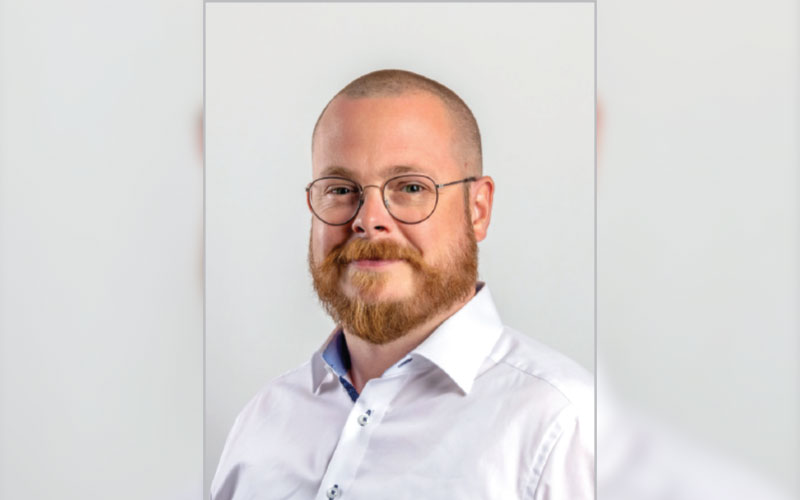
Wire & Cable India: Which specialty cable applications are presently generating the strongest demand for advanced compounds, additives, masterbatches, and specialty material systems?
Tim Schnettler: Datacenter, aerospace & defense, green energy, automotive, and rolling stock are presently generating the strongest demand for advanced compounds, additives, masterbatches, and specialty material systems.
WCI: What major changes are you observing in cable manufacturers’ material requirements in areas such as flame performance, flexibility, thermal endurance, UV stability, chemical resistance, and long-term reliability?
TS: We see a general tendency towards increased flame retardancy combined with low smoke and toxicity emissions. Also, high levels of media resistance and sufficient mechanical values, combined with flexibility are key properties in specialty applications. MELOS Mecoline compounds are consequently designed to meet those challenging requirements.
Watch: Top Cable Companies in India
WCI: How are automation, robotics, renewable energy, EV infrastructure, and other high-performance applications influencing compound development and formulation strategies?
TS: All specialty applications constantly seek for higher performance in every aspect, combined with the need for cost efficiency. Melos is therefore constantly scanning the world market for high performance, quality raw materials and is constantly evolving its formulations.
WCI: What technical challenges arise while balancing performance, processability, compliance requirements, durability, and commercial viability within specialty cable compounds?
TS: Of course, some key properties of our products are adversaries to each other. High performance comes usually not at a very low price. Also, high flame retardancy normally does not go well together with high mechanical and electrical performance. It is the main task of our R&D team to balance these properties carefully. Achieving very balanced formulations is what makes a good compounder.
WCI: How has demand evolved for HFFR/LSZH, XLPO, silicone, elastomeric, and other advanced material systems across specialty cable applications?
TS: The demand for HFFR compounds in the cable industry is constantly growing. This development is mainly driven by increased requirements for fire performance and low smoke and toxicity in case of fire. The need is mainly driven by European standards but we see a worldwide reference to these specifications.
WCI: To what extent does the Indian specialty cable material ecosystem still depend on imported polymers, additives, stabilizers, or formulation technologies, and where do you see localization opportunities emerging?
TS: As we do not employ a local production site, I am not an expert in the corresponding raw material strategies.
WCI: How important have testing, certification, consistency control, and application-specific customization become in today’s specialty cable material environment?
TS: All of the said are essential to high degrees of quality control and assurance. IT is crucial for modern high quality compounders to provide specific testing , certification, control and on-demand-customization. Some industries even apply their own quality standards and systems like IATF for the automotive industry.
WCI; Looking ahead, which material technologies, compound systems, or performance requirements do you believe will shape the next phase of development within the specialty cable segment?
TS: We should not think in terms like “the one next big thing”. The application requirements will further shape the material requirements for the future. For most applications there are already well established solutions and we will see a constant evolution towards increased performance and cost-effectiveness combined with updated lists of hazardous and banned raw materials.
We see a general tendency towards increased flame retardancy combined with low smoke and toxicity emissions. Also, high levels of media resistance and sufficient mechanical values, combined with flexibility are key properties in specialty applications. MELOS Mecoline compounds are the ideal materials for challenging applications.